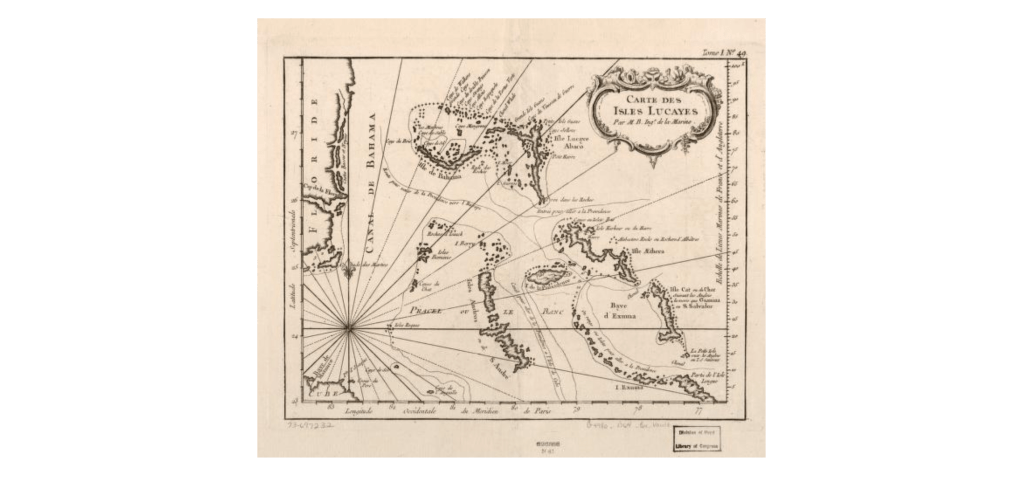
The idea for a blog began almost three years ago, during my study abroad year in Hong Kong. I was deeply inspired by the book The Future of Nature, a collection of documents and commentaries related to climate change in history that was completely irrelevant to my course of study at the time. The chief focus of the book, the concept of ‘global change’, became the centre of my argument in the first post: Why Global Change Is More Important Than Climate Change.
Following on from this, I devoted myself to publishing more original blog posts, most of which dealt with climate change, migration or some other contemporary political issue. The initial enthusiasm was quickly tempered by self-imposed editorial concern and a sudden and complete demotivation that the blog would never recover from. The dilatory process of publishing remained consistent in its steps. I would think of an “incredible” idea, begin drafting my post so naively motivated that I push on without an outline or plan and then decay into pessimism and self-doubt the second I hit a conceptual snag.
Every so often — roughly every half-year — I would succeed in landing on a topic that I can carry through to the end. To give an idea of how rare this is, I have five publications to twenty-seven drafts, the latter of which range from a few bullet-points of ideas to completed essays. Thus, my posts are not carefully produced, well-curated collections of knowledge, but more akin to pieces of wet toilet paper thrown at the ceiling, with a prayer that one of them sticks.
Given this cursory look at my editorial endeavours, why would a second blog solve the problem? Would that not just create double the work? The answer lies in the name of this website.
What I discovered by struggling to articulate myself on Substack was that my interest never lay directly in contemporary politics. It’s always been the past that’s motivated and fascinated me, with contemporary politics being a supplementary intrigue made possible by my historical enquiries. When I first posted to my blog three years ago, I did so under the bold ideal of informing and intriguing others, an aim I estimated was more achievable if the focus was on contemporary issues.
Put another way, most people care more about the present than the past. This ultimately explains why I struggled to publish anything. I suffered from an identity crisis, failing to locate myself firmly in either the past or the present, as my heart yearned for the former and my brain for the latter.
However, such a neat division between past and present is a facile illusion, an act of trickery intended to obscure contemporary observers’ historically specific interests. What is the present, after all, without the past? And is it really possible for us to reconstruct the past without recourse to the present?
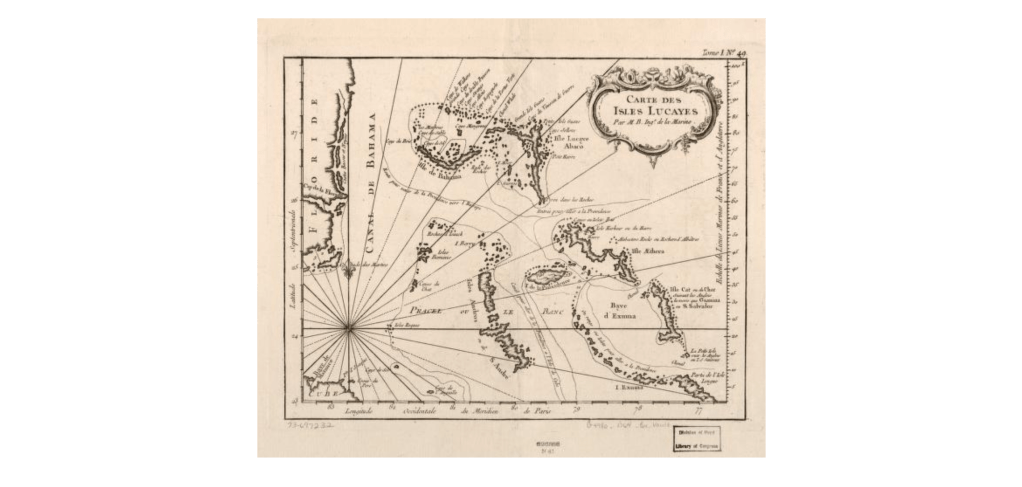
The title of this website comes from the American historian Charles Beard’s seminal address Written History as an Act of Faith. In it, he argues that “[History] is contemporary thought about the past”. This flies in the face of traditional notions of history, such as Ranke’s belief that we should tell it “wie es eigentlich gewesen”, meaning “the way it essentially was”.
What Beard does is suggest that history is another realm of contemporary politics. Just as contemporary debates over abortion, trans rights or any other controversial issue gives rise to moral philosophers, so too do contemporary contentions over the past give rise to the historian and their peculiar methods.
Following in Beard’s tradition, I have devoted two blogs to two separate acts of contemporary thought: contemporary thought about the past here and contemporary thought about the present on my Substack. The long-term aim is to align them thematically, so that interested readers can explore the history of contemporary global issues in more detail. But then again, I may wind up with a long list of drafts about the past!
 Thoughts About the Past
Leave a comment